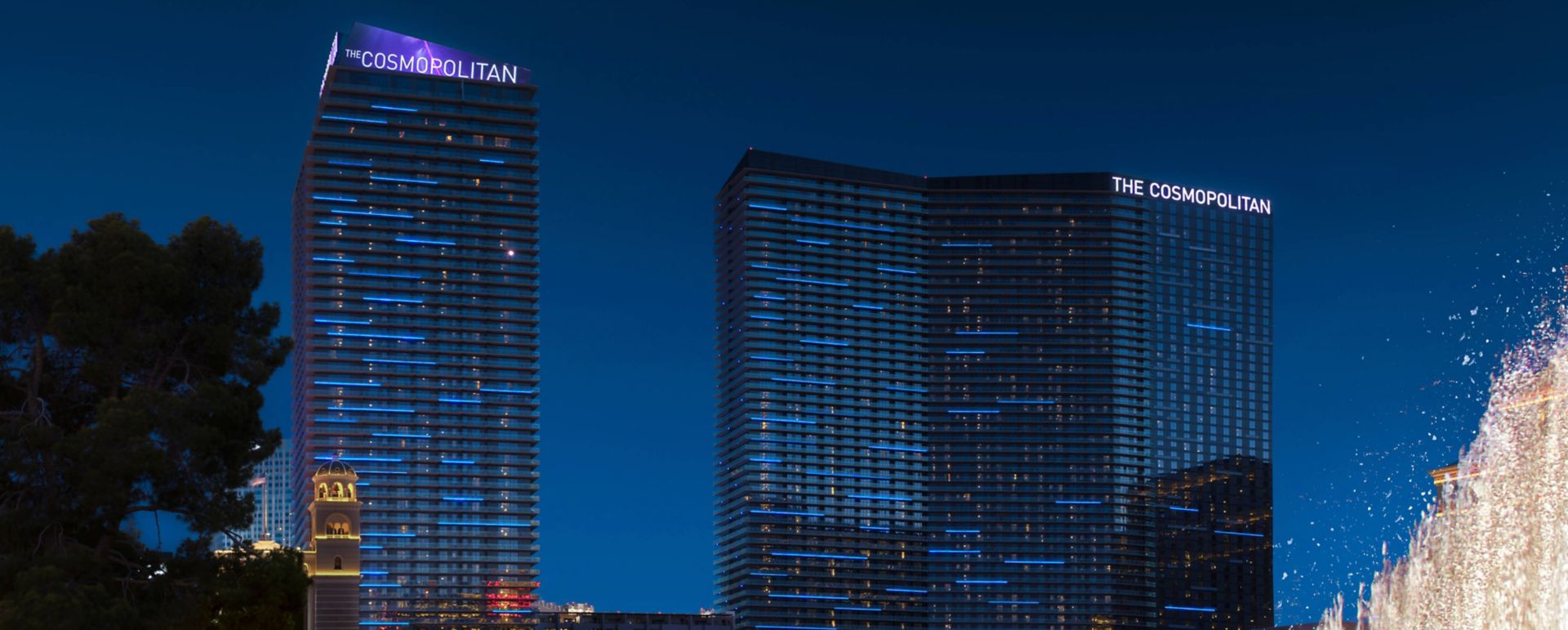
Core Planning Considerations for the Cosmopolitan of Las Vegas
Positioning the Cosmopolitan Within Las Vegas Venue Clusters
Las Vegas organizes its event infrastructure into recognizable clusters, each presenting distinct planning implications. The Cosmopolitan of Las Vegas sits within the Strip Central cluster, characterized by a concentration of high-profile resorts that combine overnight accommodations, dining, entertainment, and meeting facilities along the city's primary corridor. This differs notably from the Convention Center District, where massive dedicated facilities like the Las Vegas Convention Center and the Venetian Expo prioritize expansive floor space for large-scale trade shows. Strip Central properties instead support events that leverage proximity to multiple attractions, creating natural opportunities for extended attendee engagement beyond scheduled sessions.
Operational details in this cluster frequently involve navigating shared infrastructure and maintaining separation between event activities and regular resort operations. Planners must account for these factors when determining exhibit dimensions, material transport sequences, and activation schedules. The Cosmopolitan's placement offers convenient access points that can reduce transit friction for participants arriving from the airport or neighboring properties, yet it also demands designs sensitive to the upscale environment and visual standards of the surrounding architecture.
This cluster-based perspective allows for more precise resource allocation. Exhibitors can prepare stands that emphasize quality interactions and brand sophistication rather than competing on sheer scale, an approach that aligns with the character of central Strip venues while differentiating from north or south Strip options and suburban conference hotels such as Hilton Lake Las Vegas Resort and Spa. Recognizing these distinctions early supports more effective budgeting and concept development tailored to the specific event context.
Demand Drivers Shaping Events at the Cosmopolitan
The Las Vegas market draws consistent demand from a range of industries that value the city's capacity to host both large conventions and more focused gatherings. Sources outlining primary demand drivers across properties highlight how resorts in the Strip Central cluster often accommodate segments of broader programming or standalone corporate events seeking distinctive atmospheres. The Cosmopolitan benefits from this flow, particularly for programs where the combination of professional focus and surrounding amenities enhances attendee satisfaction and networking potential.
Event calendars in this district reflect the broader Las Vegas rhythm, with peaks corresponding to major industry cycles in technology, healthcare, finance, and consumer goods. Understanding these patterns enables exhibitors to anticipate audience profiles and refine messaging, demonstrations, and collateral for relevance. Unlike purely convention-oriented venues, resort properties like the Cosmopolitan attract participants who balance structured sessions with exploration of the Strip, suggesting exhibit strategies that deliver value efficiently within shorter interaction windows.
Coordination efforts should therefore incorporate these demand characteristics from the outset. By mapping event themes against the property's strengths, planners can prioritize elements that resonate in a luxury resort context while maintaining consistency with national exhibition programs. This preparation draws on observable patterns across listed venues including Caesars Forum, Mandalay Bay Convention Center, and Alexis Park All Suite Resort to build resilient approaches.
Longer-term tracking of demand drivers also reveals opportunities for multi-year participation strategies, allowing organizations to test concepts at the Cosmopolitan before scaling or adjusting for other clusters based on results.
Exhibit Design Principles Suited to Resort Properties
Design for the Cosmopolitan events benefits from concepts that reflect the property's modern architectural language and emphasis on refined experiences. This typically favors clean lines, premium finishes, integrated technology, and modular configurations that adapt to potentially constrained or multi-purpose spaces common in Strip Central resorts. Such approaches contrast with the larger, more industrial constructions often seen in dedicated convention facilities where visibility from greater distances takes precedence.
Operational nuance enters the design process through considerations of setup efficiency, lighting compatibility with existing venue systems, and the need to maintain clear pathways for attendee circulation amid resort traffic. Effective stands in this environment function as extensions of the overall event aesthetic rather than standalone elements, encouraging organic interaction while respecting the sophisticated tone that defines the property.
Planning resources stress the value of flexibility, allowing adjustments based on final space assignments or program changes without requiring complete redesigns. Digital components, experiential touchpoints, and focused branding elements tend to perform strongly where dwell time correlates more with perceived value than with booth size. These principles remain consistent when preparing for related venues across the Las Vegas landscape.
Attention to storage, power access, and material durability further supports smooth operation throughout multi-day schedules, ensuring the exhibit maintains its intended impact from opening to close.
Coordination Frameworks for Successful Implementation
Effective coordination for exhibits at the Cosmopolitan centers on mapping decision sequences, timelines, and dependencies well in advance of move-in. As a planning resource, the emphasis lies in identifying operational considerations such as delivery windows, access protocols, and scheduling around resort functions that characterize Strip Central properties. This structured preparation helps mitigate risks associated with shared infrastructure and overlapping activities.
Resort venues introduce variables distinct from those at the Las Vegas Convention Center or the Venetian Expo, particularly around minimizing impact on hotel operations and managing security within integrated campuses. Early alignment on these points allows exhibitors to sequence fabrication, transport, and installation more accurately, supporting compliance with venue expectations while focusing resources on audience-facing elements.
Collaboration with supply chain partners familiar with Las Vegas patterns contributes to predictability. The goal remains creation of a comprehensive timeline that accounts for potential peak-period congestion along the Strip and coordinates with broader event production needs. These frameworks scale across different property types, from central resorts to suburban conference centers listed among regional options.
Post-event review of coordination outcomes then informs refinements for future programs, whether returning to the Cosmopolitan or transitioning to complementary venues like Fontainebleau Las Vegas or Virgin Hotels Las Vegas.
Audience Engagement Methods for the Cosmopolitan Setting
Attendees at the Cosmopolitan events typically navigate a blend of structured programming and the resort's leisure amenities, which influences optimal engagement strategies. Exhibits perform best when offering concise, high-value interactions that respect time constraints while capitalizing on the property's visually compelling environment for memorable moments. This differs from high-volume floor traffic models more common in convention center clusters.
Tactics such as targeted demonstrations, digital lead qualification tools, and experiential activations can extend impact beyond the stand itself, particularly when aligned with the sophisticated character of central Strip venues. Social sharing opportunities benefit from the dramatic backdrops inherent to the property, amplifying reach among both in-person participants and their networks.
Staffing plans should reflect typical flow patterns, with concentration during session breaks or receptions when professionals are most available. Preparation of tiered content addressing both deep technical questions and introductory inquiries ensures readiness for diverse visitor profiles drawn to events in this district.
Measurement approaches focused on quality indicators, including conversation depth and follow-up intent, provide more relevant insights than simple traffic counts in resort-based settings.
Comparative Evaluation Against Other Las Vegas Venues
Selecting the Cosmopolitan involves weighing its Strip Central attributes against alternatives across the Las Vegas market. Compared to the Las Vegas Convention Center or the Venetian Expo, it generally supports more selectively scaled events within an integrated luxury environment, suggesting exhibit strategies oriented toward depth of engagement rather than maximum visibility. Suburban options such as Green Valley Ranch Resort and Spa or Hilton Lake Las Vegas Resort and Spa offer different accessibility profiles and attendee demographics that may suit alternative program goals.
Westgate Las Vegas Resort and Casino and Alexis Park All Suite Resort present additional contrasts in scale and positioning, further illustrating how cluster placement shapes planning priorities. The Cosmopolitan's central location and resort infrastructure provide particular advantages for events seeking to combine professional development with convenient access to dining and entertainment, factors that influence both attendance decisions and on-site behavior.
This comparative lens helps organizations build versatile exhibition programs capable of adapting across multiple properties. Insights gained from one activation can transfer to others with appropriate adjustments for layout, audience flow, and operational tempo. The full series of venue resources supports this holistic view of the Las Vegas landscape.
Ultimately, alignment between event objectives, target audience preferences, and venue personality determines the strongest fit, with the Cosmopolitan excelling for programs that thrive in contemporary, hospitality-infused settings.
Developing Long-Term Exhibition Strategies in Las Vegas
Organizations that participate regularly in Las Vegas events often rotate among venues based on program scale, industry focus, and strategic goals. Building a sustainable approach involves creating core exhibit components that adapt efficiently to the distinct requirements of Strip Central properties like the Cosmopolitan as well as other clusters. This modularity preserves brand consistency while allowing for customization that respects each location's operational nuances.
Tracking performance across multiple activations provides data for continuous improvement, whether refining designs for resort environments or adjusting engagement tactics for convention center settings. The steady demand across listed properties supports multi-year planning calendars that distribute investment effectively and capitalize on recurring industry gatherings.
Coordination expertise applied at the Cosmopolitan therefore contributes to broader program success, informing decisions for complementary venues including Caesars Forum, Mandalay Bay Convention Center, and additional resorts throughout the region. The emphasis remains on strategic preparation that positions exhibits for strong results regardless of specific district.
By maintaining a planning-oriented perspective grounded in observable market patterns, exhibitors can navigate the full spectrum of Las Vegas opportunities with confidence and precision.
Frequently Asked Questions About Exhibiting at the Cosmopolitan of Las Vegas
Q: How does the Cosmopolitan differ from venues in the Convention Center District?
The Cosmopolitan, as part of the Strip Central cluster, offers an integrated luxury resort environment that supports more focused events with emphasis on quality interactions, whereas Convention Center District properties prioritize large-scale floor space and high-volume traffic.
Q: What design considerations are important for this venue?
Exhibits should incorporate contemporary aesthetics, modular flexibility, and experiential elements that complement the property's modern architecture while accommodating the spatial and operational characteristics of central Strip resort functions.
Q: Why consider district-level planning for Las Vegas events?
Each cluster presents unique operational patterns, accessibility factors, and attendee behaviors. Understanding the Cosmopolitan's position in Strip Central versus suburban or convention-focused districts enables more precise coordination and resource allocation.
Q: What are the main coordination priorities for resort-based events?
Early mapping of timelines, delivery parameters, shared access considerations, and alignment with hospitality operations helps ensure smooth integration of exhibits into the overall program without disruption.
Q: How can exhibitors measure success at the Cosmopolitan?
Focus on quality metrics such as engagement depth, lead qualification rates, and post-event follow-up potential, which align better with the interaction style typical of resort venue events than simple attendance counts.
Q: Does this planning approach apply to other Las Vegas properties?
Yes, the frameworks outlined here connect to broader resources covering Fontainebleau Las Vegas, Virgin Hotels Las Vegas, Westgate Las Vegas Resort and Casino, and additional venues across all major clusters.