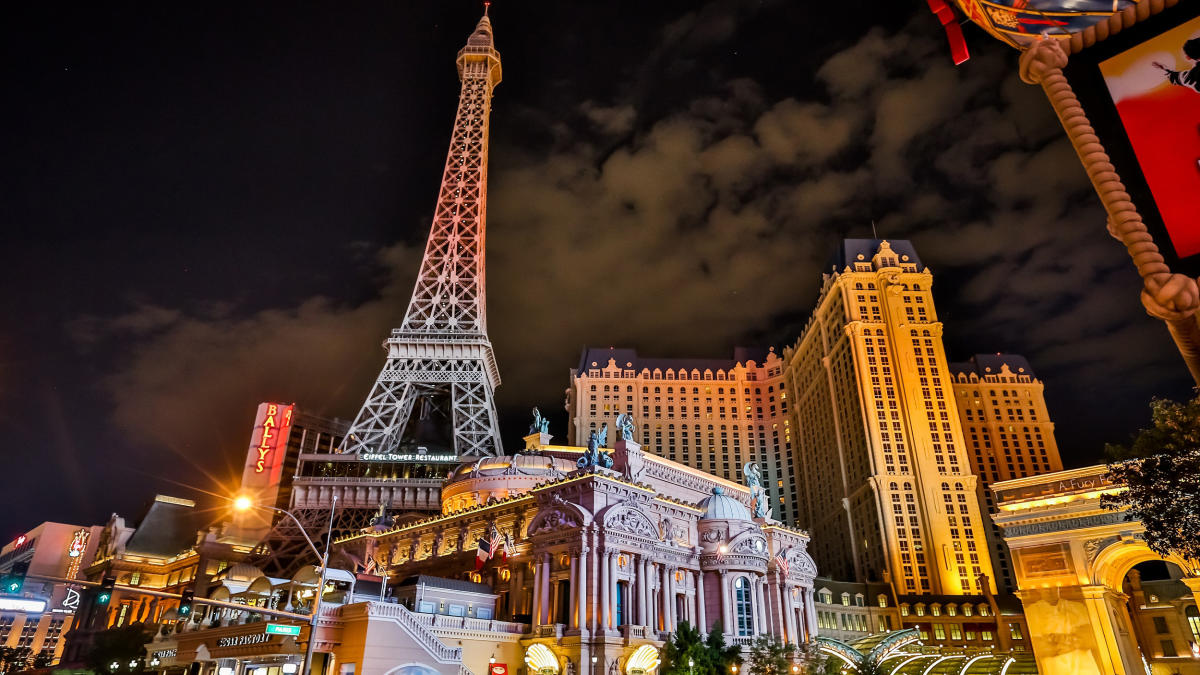
Key Planning Considerations for Paris Las Vegas Exhibitions
Understanding the Role of Paris Las Vegas in the Strip Central Cluster
Within the broader Las Vegas landscape, Paris Las Vegas functions as an integral component of the Strip Central district. This positioning means trade show planners must account for continuous movement of professionals and visitors between neighboring resorts and attractions. Coordination begins with recognizing these patterns to ensure exhibit strategies capitalize on natural traffic flows rather than competing against them.
The district's concentration of hospitality and entertainment options creates both opportunities and complexities for event scheduling. Authoritative planning involves analyzing how events at Paris Las Vegas can synchronize with larger convention cycles occurring across the city. This ensures that exhibitions benefit from the cumulative draw of multiple venues while maintaining focus on targeted business outcomes.
Successful integration requires viewing the property not in isolation but as part of an ecosystem that supports year-round convention activity. Planners who adopt this perspective develop more resilient strategies that adapt to fluctuating demand and evolving attendee expectations across the central Strip.
Booth Design Strategies That Complement the Venue Environment
Exhibition design at Paris Las Vegas benefits from thoughtful consideration of the property's signature aesthetic. Planning resources recommend structures and graphics that harmonize with elegant, European-inspired surroundings rather than overwhelming them. This creates an immersive experience that encourages longer dwell times and deeper brand interactions.
Material choices should prioritize versatility and quick reconfiguration, allowing for adjustments based on final space assignments common in resort ballrooms. Coordination efforts focus on pre-event visualization techniques that simulate how designs will perform under actual lighting and spatial conditions typical of these venues.
The goal remains creating exhibits that communicate key messages while respecting the overall ambiance. This balanced approach differentiates successful exhibitions and contributes to stronger recall among attendees navigating multiple events during their Las Vegas stay.
Iterative design reviews during the planning phase help identify potential conflicts early, ensuring the final presentation aligns with both marketing objectives and venue characteristics.
Logistics Coordination for Resort-Based Trade Shows
Coordinating logistics for events at Paris Las Vegas requires detailed sequencing that accounts for the dual role of the property as both business venue and hospitality destination. Planning emphasizes creation of comprehensive timelines that incorporate move-in windows, operational hours, and attendee traffic peaks to prevent bottlenecks.
Effective resource allocation during the planning stage helps maintain smooth progression from setup through exhibition days to dismantle. This includes establishing clear protocols for handling materials in environments where guest activities continue simultaneously in adjacent areas.
Anticipating potential variables such as peak travel seasons or concurrent citywide events allows planners to build appropriate buffers. The authoritative approach focuses on documentation and communication frameworks that keep all stakeholders aligned throughout the process.
Post-event review mechanisms incorporated during initial planning provide valuable insights for future exhibitions, contributing to continuous improvement in coordination effectiveness across Las Vegas properties.
Aligning Exhibition Objectives with Las Vegas Market Demand
Las Vegas attracts diverse industry segments throughout the year, creating a dynamic environment where Paris Las Vegas events can connect with targeted audiences. Planning begins with thorough analysis of market signals and demand drivers that influence attendance patterns across the Strip Central district.
Exhibitors achieve better results when their messaging and demonstrations address specific needs prevalent in the regional convention landscape. This requires research into upcoming event themes and attendee profiles well in advance of finalizing exhibition plans.
Coordination with broader marketing initiatives helps amplify presence within the competitive Las Vegas environment. Resources for planners stress development of integrated campaigns that extend beyond the exhibit floor to include pre-event outreach and post-show follow-up.
Understanding seasonal variations in convention volume allows for more accurate forecasting of required resources and expected outcomes at properties like Paris Las Vegas.
Technology Integration and Interactive Planning
Modern exhibitions at Paris Las Vegas increasingly incorporate digital components that enhance engagement without compromising reliability. Planning focuses on selecting solutions proven to perform consistently in environments characterized by variable wireless demands and high attendee density.
Coordination includes testing protocols and backup systems to address potential technical challenges before they impact the live event. This preparation ensures that interactive elements support rather than distract from core brand objectives.
The integration of data capture tools during the planning phase enables more sophisticated measurement of attendee interactions. These insights inform both real-time adjustments and long-term strategy refinement for subsequent Las Vegas events.
Thoughtful technology roadmaps consider the full lifecycle of the exhibition, from initial setup through daily operations to efficient teardown and data compilation.
Performance Measurement and Continuous Improvement
Establishing clear metrics during the initial planning stages provides objective frameworks for evaluating success at Paris Las Vegas events. These should encompass both quantitative indicators such as engagement duration and qualitative assessments of brand perception shifts.
The central Strip location offers unique opportunities for comparative analysis against exhibitions at nearby properties. Planning resources encourage development of standardized evaluation methods that facilitate learning across multiple Las Vegas engagements.
Post-event debriefs structured as part of the coordination process capture actionable insights while details remain fresh. This information becomes foundational for enhancing future planning efforts and refining approaches to district-specific challenges.
Long-term success depends on treating each exhibition as part of an evolving strategy rather than an isolated occurrence. Systematic documentation and review cycles support this progression.
Pre-Event Preparation Best Practices
Thorough preparation forms the foundation of successful coordination for any exhibition at Paris Las Vegas. This phase involves comprehensive stakeholder alignment, detailed documentation of requirements, and development of communication protocols that remain effective throughout the event lifecycle.
Early identification of potential constraints allows planners to develop appropriate contingency approaches. The process emphasizes creation of reference materials that support consistent decision-making even as circumstances evolve.
Collaboration frameworks established during preparation help maintain momentum and clarity among all participating parties. These structures prove particularly valuable in the multifaceted environment of Las Vegas Strip events.
Final preparation reviews serve as critical checkpoints, confirming that all elements align with both strategic objectives and practical execution parameters.
Common Questions About Planning Trade Shows at Paris Las Vegas
Q: How does the central Strip location of Paris Las Vegas influence exhibition planning?
The central positioning creates both advantages in attendee accessibility and challenges in managing traffic flows from multiple directions. Planning must incorporate detailed analysis of movement patterns between properties to position exhibits effectively and time activations for peak visibility. Coordination resources recommend building flexibility into schedules to accommodate the dynamic nature of district activity.
Q: What design considerations are important for the Parisian-themed environment?
Exhibits achieve better integration when they complement rather than clash with the elegant European aesthetic. This involves careful selection of colors, materials, and structural elements that enhance the existing atmosphere. Planning should include visualization exercises that account for how designs perform within the specific architectural context of the venue's meeting spaces.
Q: When should planning begin for an exhibition at Paris Las Vegas?
Initiating planning 12 to 18 months ahead allows sufficient time for market research, design development, and coordination with broader Las Vegas event calendars. Earlier preparation becomes particularly important for larger exhibitions or those seeking specific seasonal alignment. This timeline supports thorough vetting of all elements before final commitments.
Q: How can exhibitors effectively measure results from events at this venue?
Successful measurement frameworks combine pre-established KPIs with tools for capturing both quantitative data and qualitative feedback. Metrics should reflect the unique characteristics of resort-based events, including dwell time, interaction quality, and follow-up conversion potential. Regular review of these indicators throughout the planning cycle helps refine approaches for future exhibitions.
Q: What role does district differentiation play in event strategy?
Recognizing the distinct attributes of the Strip Central cluster versus other Las Vegas areas allows for more targeted planning. Paris Las Vegas benefits from proximity to high-end amenities and continuous visitor activity that differs from convention center or suburban resort environments. Strategies that acknowledge these differences typically achieve stronger alignment with attendee expectations.
Q: How does coordination differ for resort venues compared to dedicated convention centers?
Resort properties require additional attention to minimizing impact on regular guest activities while maximizing business attendee engagement. This necessitates more granular scheduling and clear communication protocols. Planning emphasizes integration with hospitality operations rather than standalone exhibition logistics common at pure convention facilities.