Three formats under one program
A user conference's general session, breakout tracks, and partner pavilion each pull from a different planning discipline, general session staging, conference room turns, and trade show floor operations respectively, but attendees experience all three as one connected program across a single badge. Keeping the transitions between those formats smooth, both physically and on the agenda, is what separates a well-run user conference from one that feels like three disconnected events glued together.
Because the audience is largely the vendor's own customers rather than a general trade show crowd, content quality and hands-on engagement tend to matter more to the program's success than raw booth traffic numbers, which shifts investment toward the lab rooms and session content relative to the pavilion itself.
Power and bandwidth for a hands-on lab room
A hands-on lab room where attendees work on laptops or dedicated terminals needs a power drop at or near every seat, which is a very different electrical order than a standard breakout room designed around a single podium and screen. That per-seat power requirement has to be calculated and submitted to the venue well before move-in, since retrofitting a room with additional drops during the event week is rarely possible.
Network bandwidth follows the same logic. A lab room running live software demonstrations for a full room of simultaneous users needs a dedicated, tested connection rather than relying on general venue guest wifi, which is usually oversubscribed during a large conference and not reliable enough for a hands-on technical session.
The partner pavilion as a show inside a show
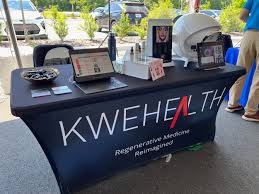
A partner pavilion runs its own mini version of trade show floor logistics, complete with booth assignments, drayage for partner exhibit materials, and often its own aisle carpet and signage separate from the general session and breakout areas. Partners exhibiting in that pavilion typically follow an exhibitor kit similar to a standalone trade show, even though the overall event is a conference rather than a trade show.
Sponsorship tiers within a partner pavilion, determining booth size and placement, usually mirror the tiered sponsorship structure of the broader user conference, which means pavilion floor planning has to stay in sync with the sponsorship sales process rather than being finalized independently.
Badge data across general session, breakouts, and pods
A single attendee badge scanning into a keynote, a breakout session, and a partner pavilion booth generates data that a user conference organizer typically wants unified into one reporting system, rather than three separate logs from three separate vendors. Confirming that the badge scanning and lead-retrieval systems used across all three formats can actually talk to each other is worth doing well before the event rather than discovering a data gap afterward.
That unified data is often the whole point of the user conference for the host vendor, since session attendance and partner pavilion engagement together tell a fuller story about customer interest than either signal alone.
Content capture for on-demand replay
Many user conferences record breakout sessions for on-demand replay after the event, which means each breakout room needs its own camera and audio capture setup in addition to whatever live AV is already running for the in-room audience. That recording requirement has to be planned into the room's technical order rather than treated as a simple add-on to existing microphones.
Editing and publishing turnaround for that recorded content is often a deliverable the host vendor promises to attendees, which puts pressure on the production team to capture clean, usable audio and video the first time rather than relying on post-production to fix problems from the room.
A separate recording crew, distinct from the room's live AV operator, tends to produce better results than asking one technician to run both jobs at once, since a live session and a clean recording sometimes call for different microphone and camera choices.