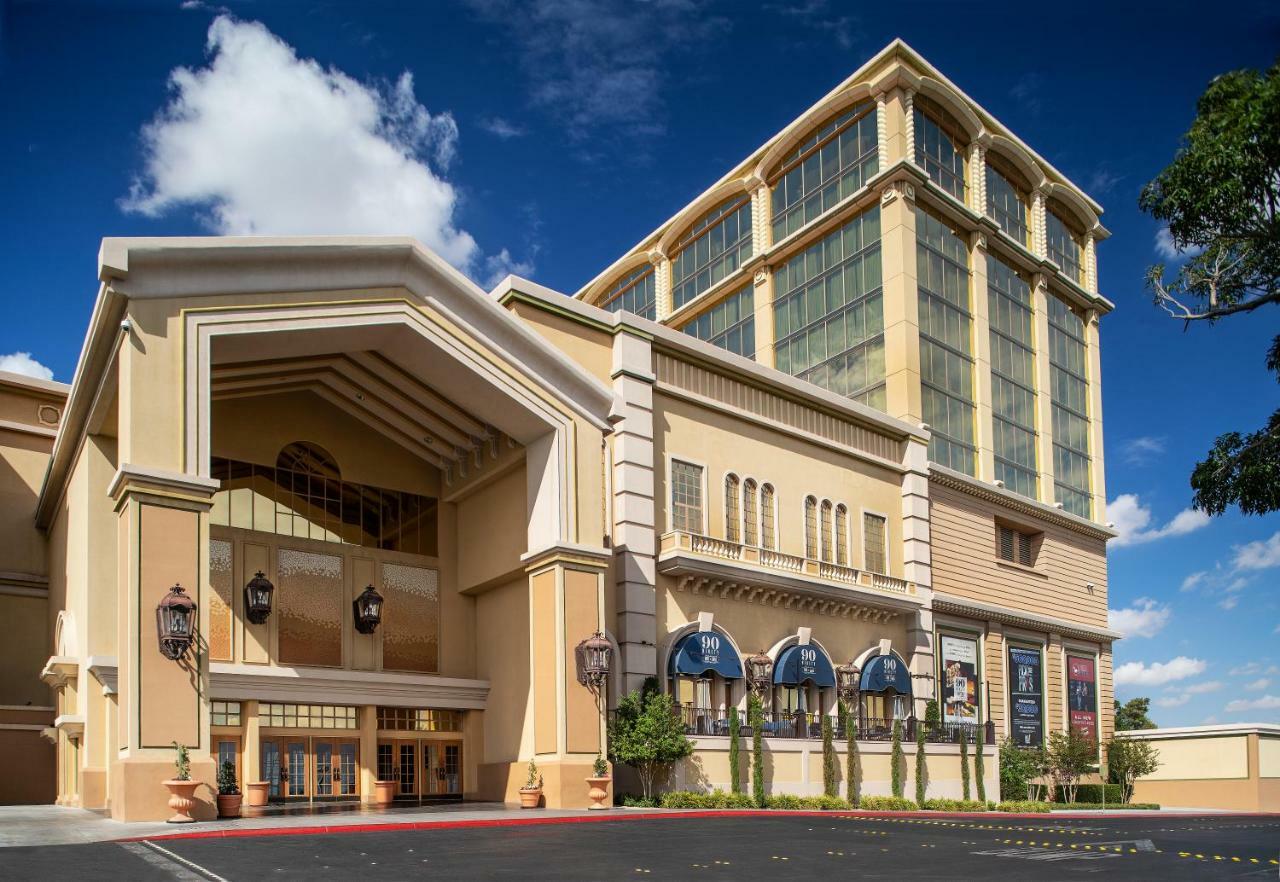
Core Planning Considerations for Suncoast Hotel and Casino Exhibitions
Positioning Suncoast Hotel and Casino Within the Las Vegas Events Ecosystem
Las Vegas maintains its status as a leading destination for trade shows through a mix of large-scale convention facilities and specialized hospitality venues. The Suncoast Hotel and Casino fits into the latter category, providing an alternative to high-density Strip or downtown options by emphasizing accessibility and a focused atmosphere. This suburban positioning in the northwest sector often attracts regional professionals and targeted industry groups seeking productive environments removed from heavier tourist traffic.
Planning resources must account for these distinctions when developing exhibition strategies. For instance, traffic patterns at such properties tend to favor sustained interactions rather than rapid pass-throughs common in larger exposition halls. Coordination therefore prioritizes layouts that facilitate conversation areas, demonstration zones, and clear sightlines while respecting the architectural flow inherent to hotel-casino conference wings.
Drawing from broader market patterns observed across similar properties, effective preparation involves early assessment of event scale, attendee profiles, and competing activations. This foresight enables exhibitors to allocate resources toward elements that deliver measurable value, such as branded environments that reinforce credibility in sectors like technology, healthcare, or professional services prevalent in the region.
Custom Booth Design Strategies for Hotel Conference Settings
Exhibit design for venues like the Suncoast Hotel and Casino benefits from an emphasis on refinement over sheer scale. With spaces often configured for concurrent sessions and networking, booths must balance visibility with functionality to avoid disrupting overall event harmony. Design processes should begin with detailed reviews of floor plans to ensure dimensional compatibility and optimal placement relative to entry points and high-traffic corridors.
Effective concepts incorporate modular components that adapt to varying show sizes while maintaining brand consistency. Graphics, lighting, and structural materials are selected for their performance under artificial interior illumination typical of these facilities. Nuanced details such as fabric choices that reduce noise or storage solutions that keep demonstrations uncluttered contribute significantly to perceived professionalism and operational efficiency.
Audience-centric design further refines these efforts by embedding clear pathways for engagement and data capture. In the Las Vegas context, where events frequently blend business with experiential elements, incorporating subtle thematic references without overstatement can enhance memorability. The coordination of these elements requires iterative reviews to confirm alignment with both marketing goals and practical installation realities.
Ultimately, designs that demonstrate foresight into attendee expectations tend to generate higher interaction rates. This approach avoids cookie-cutter approaches in favor of bespoke solutions that reflect the specific character of northwest Las Vegas events.
Logistical Coordination and Timeline Management Best Practices
Coordinating logistics for exhibitions requires comprehensive timelines that incorporate all preparatory phases from concept approval through post-event assessment. For Suncoast Hotel and Casino events, this includes accounting for standard lead times associated with material transport to suburban locations and alignment with venue load-in windows. Structured project management prevents oversights that could compromise presence on show days.
Key milestones should address design finalization, material sourcing, graphics production, and pre-event testing of any integrated features. By maintaining visibility into each stage, planners can adjust for variables such as shipping durations or last-minute content updates. This methodical approach is particularly relevant in a market with frequent overlapping events where resource availability can fluctuate.
Operational detail extends to understanding general procedures for badge distribution, exhibitor credentials, and safety briefings common across Las Vegas venues. While avoiding assumptions about specific relationships, referencing publicly available guidelines helps ensure compliance and reduces day-of uncertainties. Such preparation supports smoother experiences that allow staff to concentrate on engagement rather than troubleshooting.
Audience Engagement and Market-Specific Tactics in Las Vegas
The Las Vegas market draws participants from varied industries, making demographic analysis a foundational step for Suncoast events. Engagement tactics should reflect the professional yet dynamic character of gatherings in this area, prioritizing substantive interactions supported by informative displays and live demonstrations. Training for booth personnel focuses on qualifying leads efficiently within the time constraints of conference schedules.
District-level differentiation proves valuable here. Compared to South Strip or Convention Center environments, northwest venues often see more repeat or regionally based attendees who respond well to consultative approaches rather than high-energy spectacles. Messaging can therefore emphasize expertise, case studies, and relationship-building elements that resonate with this profile.
Digital tools for lead capture and immediate follow-up sequencing enhance these efforts. When integrated thoughtfully, they provide data that informs both real-time adjustments and long-term strategy refinement. Coordination with event themes further amplifies impact, creating cohesive experiences that extend brand recall beyond the exhibition floor.
Continuous monitoring of engagement metrics during the event allows for tactical shifts, ensuring resources are directed toward the most promising opportunities. This data-driven mindset aligns with the competitive nature of the overall Las Vegas events calendar.
Technology Integration for Enhanced Exhibition Outcomes
Modern trade shows increasingly incorporate digital components to differentiate displays and gather actionable insights. At venues such as the Suncoast Hotel and Casino, technology selections must consider power availability, internet reliability, and spatial constraints typical of hotel-based conferences. Interactive screens, augmented reality features, or streamlined appointment scheduling systems can elevate visitor experiences when properly scaled.
Planning includes contingency measures for technical challenges, ensuring that core messaging remains effective even if supplementary elements require adjustment. Compatibility with venue infrastructure avoids disruptions, while user-interface simplicity broadens accessibility across different attendee tech comfort levels. These considerations reflect operational details essential for reliable performance in varied event conditions.
In the Las Vegas context, where innovation is expected, technology also serves as a storytelling vehicle. Demonstrations that highlight product capabilities through immersive formats can generate stronger connections than static presentations alone. Coordination of content development with overall design timelines ensures smooth incorporation rather than afterthought additions.
Sustainability and Material Considerations for Long-Term Value
Sustainability has become a core planning criterion for exhibitions across the Las Vegas market. For Suncoast Hotel and Casino events, this involves selecting materials that support reusability across multiple shows while meeting durability requirements for repeated transport and assembly. Options such as modular aluminum frames, recyclable substrates, and energy-efficient LED lighting contribute to reduced environmental impact without sacrificing visual quality.
Coordinating these choices from the initial design phase allows for cost efficiencies over time and appeals to audiences that value corporate responsibility. Documentation of sustainable practices can also serve as a differentiator in proposal or follow-up materials. This approach aligns with evolving standards observed in progressive event destinations.
Beyond materials, waste minimization during setup and breakdown phases represents another operational focus. By establishing clear protocols, exhibitors demonstrate commitment that resonates with both attendees and industry peers. These practices, when integrated holistically, enhance brand perception while supporting broader organizational environmental goals.
Post-Event Evaluation and Strategic Refinement
Thorough post-event analysis completes the exhibition cycle and informs subsequent planning. For participation at the Suncoast Hotel and Casino, predefined key performance indicators encompassing lead volume, quality scores, engagement duration, and conversion projections provide objective benchmarks. Collecting structured feedback from both staff and sampled attendees yields qualitative insights that quantitative data alone might miss.
Review processes should examine logistical effectiveness, design performance, and messaging resonance within the specific context of northwest Las Vegas events. Identifying patterns across multiple shows enables progressive refinement of approaches, whether adjusting booth footprints, updating technology integrations, or evolving staff protocols.
This iterative methodology supports sustained improvement in a market characterized by high expectations and constant evolution. By treating each event as a data point within a longer-term strategy, organizations maximize return on exhibition investments and strengthen competitive positioning across the Las Vegas venue spectrum.
Frequently Asked Questions About Suncoast Hotel and Casino Exhibition Planning
Q: How does exhibiting at Suncoast Hotel and Casino differ from central Las Vegas convention centers?
Suncoast events typically feature more intimate settings and regionally focused audiences compared to the high-volume environments of facilities like the Las Vegas Convention Center or Venetian Expo. This influences booth scale, engagement style, and emphasis on consultative rather than high-traffic activations.
Q: What timeline is recommended for planning a trade show booth at this venue?
Initiate detailed planning four to six months prior to allow for concept development, design iterations, production, and coordination. Earlier starts are advisable for complex integrations or first-time participation in the Las Vegas market.
Q: How important is venue-specific design when preparing for Suncoast events?
Tailoring elements to the hotel conference aesthetic and spatial realities improves integration and visitor comfort. While not requiring entirely new builds for each show, adjustments reflecting the suburban northwest character often enhance effectiveness.
Q: What metrics best indicate success for exhibitions in this market?
Beyond lead counts, evaluate interaction quality, qualified opportunities generated, brand recall measurements, and post-event engagement rates. These provide a fuller picture of impact within the Las Vegas business events sector.
Q: Are sustainability practices relevant for events at Suncoast Hotel and Casino?
Yes. Incorporating reusable components, low-impact materials, and waste-reduction protocols aligns with growing expectations across Las Vegas venues and can strengthen brand positioning with environmentally aware audiences.
Q: How can planners stay compliant with Las Vegas area exhibition requirements?
Reference official guidelines regarding flammability standards, electrical protocols, and labor regulations. Early consultation of these resources during the planning phase prevents complications and supports smooth event execution.