Core Planning Elements for Events at the Rio Hotel and Casino
Understanding the Rio Hotel and Casino Within the Las Vegas Events Landscape
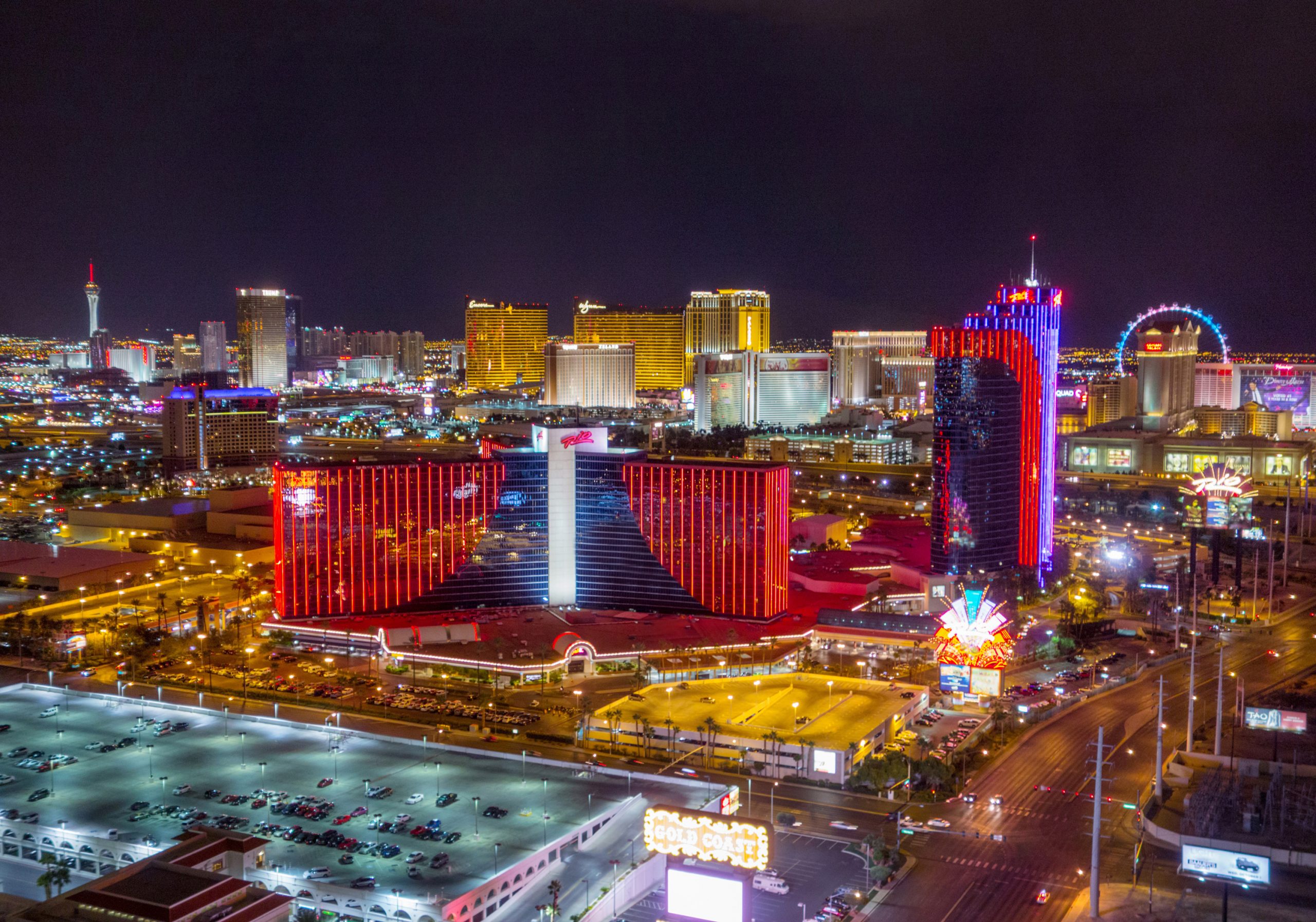
The Rio Hotel and Casino occupies a strategic position west of the primary Strip clusters, creating a distinct environment that blends resort amenities with dedicated event facilities. This setting often appeals to organizers looking for an alternative to the high-density convention center district or south Strip resorts. Effective planning begins with recognizing how this location affects transportation patterns, attendee dwell time, and competitive visibility. Exhibits that account for these factors through thoughtful layout and thematic resonance tend to generate stronger connections in this environment.
Las Vegas as a whole draws major events due to its infrastructure and accessibility, with venues like the Rio contributing to the diversity of options available. Coordination resources highlight the value of mapping attendee journeys that may include transitions between sessions, networking areas, and entertainment components. This holistic view supports designs that maintain relevance throughout multi-day programs. Planners benefit from early assessment of how the venue's scale influences everything from material choices to staffing projections.
Market data from comparable Las Vegas properties underscores the importance of differentiating your presence. Whether the event emphasizes B2B networking or consumer-facing demonstrations, alignment with the Rio's operational cadence helps avoid bottlenecks. This resource outlines frameworks for integrating these considerations into a cohesive strategy that prioritizes clarity, flexibility, and results.
Strategic Custom Exhibit Design for Resort-Based Events
Custom exhibit design for the Rio Hotel and Casino should reflect both brand identity and the energetic character of Las Vegas events. Successful concepts incorporate modular components that allow reconfiguration based on specific session requirements or floor assignments. This approach supports efficient setup while maintaining visual impact across different configurations. Planning emphasizes elements that facilitate conversation, product interaction, and data capture without overwhelming the available footprint.
Design processes begin with clear objective definition, whether the goal centers on lead generation, education, or competitive positioning. In a market known for innovation, incorporating subtle references to the venue's busy atmosphere can enhance memorability while avoiding thematic overreach. Experienced coordination helps refine these ideas into practical builds that balance creativity with logistical realities such as shipping durability and repeated use potential.
Attention to graphics, lighting, and structural integrity forms the foundation of high-performing exhibits. Resources for planning stress the value of prototyping and iterative review to ensure the final design meets both aesthetic and functional criteria. This methodical process reduces revisions during critical production phases and contributes to smoother implementation at the venue level.
Comparative analysis with events at neighboring properties like those in the Convention Center District or Venetian Expo reveals opportunities for differentiation. Exhibits at the Rio often benefit from designs that encourage longer engagement periods, leveraging the resort's more relaxed pacing compared to denser exhibition halls.
Timeline Development and Milestone Coordination
Comprehensive timeline development is essential for events at the Rio Hotel and Casino given the competitive scheduling common across Las Vegas. Planning typically commences six to twelve months in advance to accommodate design finalization, fabrication, and shipping logistics. Breaking the process into defined milestones allows for regular progress assessment and timely adjustments. This structured method helps maintain alignment between creative, production, and event teams.
Key phases include concept approval, material sourcing, pre-build reviews, and transport scheduling. In a market with frequent overlapping events, buffers for potential delays in high-demand periods prove valuable. Coordination resources provide templates for tracking these stages while emphasizing communication protocols that keep all parties informed. The goal remains consistent delivery of exhibits that arrive ready for professional installation according to venue guidelines.
Post-production timelines extend to include on-site supervision planning and dismantle strategies. By addressing these elements early, organizers can optimize costs and reduce last-minute complications. The Rio's integration within the larger Las Vegas ecosystem means that efficient timelines also consider broader factors such as union requirements and general contractor coordination prevalent in the region.
Regular milestone reviews facilitate proactive problem solving. This practice has demonstrated value across numerous Las Vegas events by improving predictability and allowing resources to focus on strategic enhancements rather than reactive fixes.
Logistics Planning Within the Las Vegas Market
Logistics coordination for exhibits destined for the Rio Hotel and Casino requires understanding regional transportation networks and venue access protocols. Planning resources focus on optimizing routes, carrier selection, and scheduling to ensure materials arrive within designated windows. This preparation accounts for the volume of events that characterize Las Vegas, where efficient movement between properties can influence overall success.
Material handling considerations include protective packaging designed for the rigors of cross-country or regional transit. Coordination emphasizes documentation accuracy and compliance with standard receiving procedures to minimize storage or delay fees. By treating logistics as an integrated component of the exhibit strategy, planners can achieve better cost control and timeline adherence.
The broader market context, including proximity to other clusters such as Strip Central and Convention Center District, informs decisions about consolidated shipping or staging options. Authoritative guidance helps map these variables without presuming specific operational relationships, instead providing frameworks that exhibitors can adapt to their unique requirements.
Effective logistics planning ultimately supports the smooth transition from production facility to venue floor. This focus on detail contributes to exhibits that appear polished and professional, reinforcing brand credibility among attendees drawn to Las Vegas for its scale and professionalism.
Technology Integration and Attendee Engagement Strategies
Modern exhibits at venues like the Rio Hotel and Casino increasingly incorporate technology to enhance interaction and data collection. Planning involves selecting solutions such as interactive displays, virtual reality components, or lead capture applications that align with event objectives. These elements should complement rather than complicate the physical booth structure, creating an intuitive experience for attendees.
Successful integration requires early testing and compatibility verification to avoid technical disruptions during show hours. Coordination resources stress the importance of balancing innovation with reliability, particularly in environments where internet connectivity and power access may vary. Designs that facilitate both staffed and self-guided interactions tend to maximize engagement across different audience segments.
Las Vegas events often feature high expectations for experiential elements, making technology a key differentiator. Whether through personalized content delivery or real-time analytics, these tools provide valuable insights that inform future planning cycles. The focus remains on selecting solutions that integrate smoothly with the overall exhibit narrative and venue constraints.
Post-integration review processes help refine deployment tactics for subsequent events. This iterative approach ensures that technological features continue to evolve in response to attendee feedback and advancing industry capabilities.
Budget Frameworks and ROI Optimization
Developing realistic budgets for exhibits at the Rio Hotel and Casino involves balancing creative ambition with measurable return on investment. Planning begins with clear categorization of costs including design, fabrication, logistics, technology, and on-site management. This granular approach allows for informed trade-off decisions that preserve impact while controlling expenses.
ROI considerations extend beyond immediate lead counts to encompass brand exposure, relationship building, and long-term pipeline development. Coordination resources advocate for metrics frameworks established prior to the event, enabling objective evaluation of performance. In the competitive Las Vegas market, strategic allocation often favors elements that support repeated use across multiple properties or shows.
Comparative budgeting against similar events at locations like the Venetian Expo or Westgate Las Vegas Resort provides context for resource distribution. Identifying areas where modular design or standardized components can reduce costs without sacrificing quality represents a common optimization strategy. The goal centers on creating exhibits that deliver value across their entire lifecycle.
Continuous monitoring during the planning phase helps identify efficiencies and prevent scope creep. This disciplined method supports sustainable investment levels that align with organizational objectives and market realities.
Sustainability Considerations in Exhibit Planning
Sustainability has become an important factor in trade show exhibit planning across Las Vegas properties including the Rio Hotel and Casino. Coordination involves selecting materials that balance durability with environmental impact, such as responsibly sourced woods, recyclable substrates, and energy-efficient lighting. These choices reflect growing attendee and organizer preferences for responsible practices.
Planning frameworks encourage evaluation of the full lifecycle from production through repeated use and eventual recycling. Modular designs that facilitate updates rather than full replacements contribute to reduced material consumption over time. This approach aligns with broader industry trends while maintaining the visual standards expected at major events.
Transportation optimization also plays a role in sustainability efforts by consolidating shipments and selecting efficient carriers. Resources for planning provide assessment criteria that help quantify environmental benefits alongside traditional metrics like cost and impact. The integration of these considerations early in the process yields exhibits that perform well on multiple levels.
As expectations for corporate responsibility continue to evolve, sustainable practices can serve as a point of differentiation. Exhibits that embody these values often resonate more strongly with audiences attending events in progressive markets like Las Vegas.
Post-Event Evaluation and Future Planning
Thorough post-event evaluation completes the planning cycle for exhibits at the Rio Hotel and Casino. This phase involves collecting data on key performance indicators established during initial strategy development. Coordination resources recommend structured debriefs that capture insights from both quantitative metrics and qualitative observations from booth staff.
Analysis focuses on what elements drove engagement, which aspects of the design proved most effective, and where opportunities for refinement exist. These findings inform adjustments for future events, whether returning to the Rio or participating at other Las Vegas venues such as those in the Convention Center District or Fontainebleau Las Vegas. Documentation of lessons learned creates institutional knowledge that enhances efficiency over time.
The evaluation process also examines logistical performance, technology effectiveness, and budget adherence. By reviewing these areas systematically, planners can identify patterns that influence success across the broader market. This data-driven approach supports continuous improvement rather than repeating past approaches without examination.
Ultimately, post-event review transforms individual shows into building blocks for long-term exhibit strategy. The insights gained contribute to increasingly sophisticated coordination that delivers consistent results in the dynamic Las Vegas environment.
Frequently Asked Questions About Rio Hotel and Casino Exhibit Planning
Q: How does the Rio Hotel and Casino differ from Strip Central convention venues for trade show exhibits?
The Rio offers a resort-oriented environment that often features a more relaxed pacing compared to denser central Strip or convention center locations. This influences exhibit design toward conversational spaces and integrated experiences that leverage the venue's entertainment adjacency.
Q: When should planning begin for a custom exhibit at an event hosted at the Rio?
Comprehensive planning typically starts six to twelve months prior to the event date. This horizon allows sufficient time for design refinement, production, logistics coordination, and integration of technology or interactive components.
Q: What role does modularity play in exhibits for Las Vegas venues like the Rio?
Modular systems enable efficient reconfiguration for different event scales and reduce long-term costs through reusability. This approach supports adaptability across multiple Las Vegas properties while maintaining brand consistency.
Q: How can technology enhance attendee engagement at Rio Hotel and Casino events?
Appropriate integration of interactive displays, analytics tools, and immersive elements creates memorable interactions. Planning ensures these features complement the physical design and align with specific event objectives and venue capabilities.
Q: What factors should be considered in budgeting for Rio trade show participation?
Budgets should account for design, fabrication, logistics, technology, and evaluation costs while prioritizing elements that deliver measurable ROI. Early categorization and lifecycle analysis help optimize allocation across the exhibit's intended uses.
Q: Why is post-event evaluation important for future Las Vegas events?
Systematic review of performance metrics and operational lessons informs refinements that improve effectiveness at subsequent shows. This process builds institutional knowledge applicable across various Las Vegas venue types and event formats.