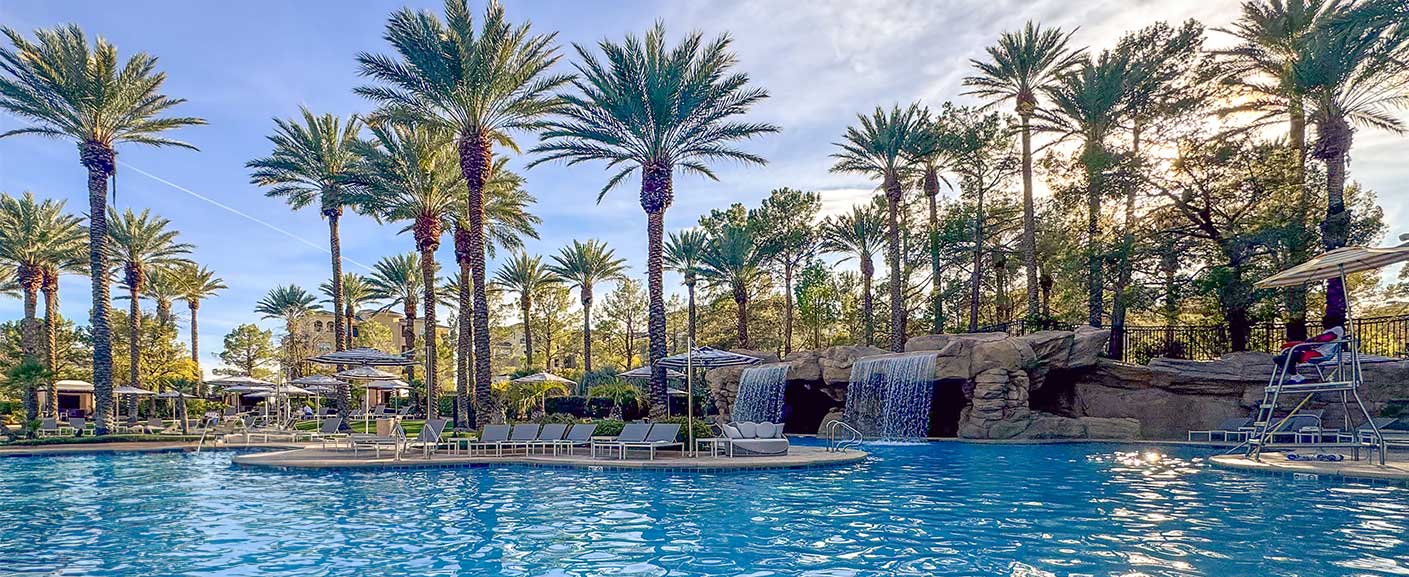
Core Planning Elements for JW Marriott Las Vegas Resort and Spa
Understanding the Venue Layout and Its Impact on Exhibit Strategy
The JW Marriott Las Vegas Resort and Spa features a configuration that sets it apart from high-density Strip properties and the expansive halls of the Las Vegas Convention Center. Its meeting spaces integrate with surrounding gardens and resort pathways, creating opportunities for exhibits that extend beyond interior walls when event parameters allow. This requires planners to evaluate not only square footage but also how natural light, ceiling heights, and adjacent programming influence visibility and sound management.
Operational detail matters because the property's self-contained nature affects how materials arrive and depart. Coordination involves mapping precise pathways that avoid disruption to guest areas, ensuring that custom modular systems can be assembled efficiently within allotted timeframes. Unlike venues in the Convention Center District, where union labor protocols dominate, resort properties often present hybrid environments that reward flexible design thinking.
Successful exhibits in this setting prioritize sophistication over spectacle. Structures should reflect the property's commitment to refined hospitality, using clean lines and premium finishes that align with the overall atmosphere while still conveying brand messaging effectively.
Custom Design Approaches Suited to Resort Environments
Exhibit design for the JW Marriott Las Vegas Resort and Spa benefits from an emphasis on immersive yet contained experiences. The venue's architecture, with its emphasis on natural materials and open sight lines, favors displays that incorporate subtle lighting and tactile elements rather than oversized graphics common in busier corridor settings. This differentiation allows brands to create environments that feel like extensions of the resort itself, fostering deeper conversations.
Modular systems prove particularly effective here, offering the adaptability needed when event scales shift or when transitioning between indoor and transitional outdoor zones. Planning incorporates how these systems break down for storage and transport within the competitive Las Vegas event ecosystem, where multiple shows often run concurrently across properties.
Attention to detail in fabrication ensures that every component arrives prepared for the specific demands of this market. From fabric selections that resist fading under intense sunlight to hardware that assembles quietly, these considerations reduce on-site adjustments and maintain focus on attendee interactions.
Logistical Coordination Within the Las Vegas Event Ecosystem
The broader Las Vegas market features overlapping event calendars that span the Convention Center District, Strip Central, and suburban resort properties. For events at the JW Marriott Las Vegas Resort and Spa, coordination begins with understanding how this venue fits into regional patterns, particularly for mid-sized gatherings that choose its quieter setting over more centralized options like the Venetian Expo or Westgate Las Vegas Resort and Casino.
Effective planning addresses the sequencing of deliveries, especially during peak periods when multiple properties compete for carrier attention. This includes building buffers into schedules to accommodate the unique access points at resort campuses, where shared roadways and security protocols add layers to standard timelines.
Resource allocation becomes a key differentiator. While avoiding assumptions about specific labor arrangements, strategic planning emphasizes clear communication protocols and contingency options that keep programs on track regardless of market-wide pressures.
Technology Integration and Interactive Exhibit Elements
Modern events at venues like the JW Marriott Las Vegas Resort and Spa increasingly incorporate digital components that enhance rather than overshadow physical displays. Planning focuses on how AV infrastructure within the property's meeting spaces can support smooth integration of touchscreens, projection mapping, or data capture tools without requiring extensive modifications.
The resort environment rewards technology that operates at conversational volumes and scales appropriate to smaller group interactions. This differs markedly from large-scale productions at the Las Vegas Convention Center, where louder activations compete across vast floors. Here, the emphasis falls on intuitive interfaces that complement the sophisticated atmosphere.
Forward-looking coordination also considers power requirements and data connectivity available in the various ballrooms and suites. Early assessment prevents last-minute adjustments and ensures that interactive elements contribute directly to measurable engagement outcomes.
Differentiating Your Program from Competing Las Vegas Venues
The JW Marriott Las Vegas Resort and Spa occupies a distinct position compared to properties in Strip South, Strip North, or the core Convention Center District. Its location in the western part of the valley attracts events seeking privacy and a more executive tone, which should inform how exhibits communicate exclusivity and thought leadership rather than mass-market appeal.
This differentiation extends to narrative development. Where activations at Fontainebleau Las Vegas or Virgin Hotels Las Vegas might lean into entertainment-driven themes, programs here succeed by emphasizing substance and relationship cultivation within an environment that supports focused discussions. Exhibit elements should reinforce this positioning through refined aesthetics and targeted content delivery.
Market data from leading Las Vegas sources shows continued demand across industries including healthcare, finance, and technology. Understanding how the JW Marriott fits into these patterns allows planners to craft experiences that resonate with the specific attendee profiles drawn to resort-based events.
Timeline Management and Deadline Optimization
Successful coordination for the JW Marriott Las Vegas Resort and Spa begins months in advance, with particular attention to how resort booking patterns intersect with citywide convention schedules. Early concept development allows sufficient time for design iteration, fabrication, and testing before the property's specific move-in requirements come into play.
The planning calendar must account for seasonal factors unique to the Las Vegas region, including weather considerations that affect material handling and outdoor components. By establishing clear milestones, exhibitors maintain control even when external variables shift.
Post-event analysis forms an essential closing phase. Documenting what worked within this specific venue provides valuable data for future programs, whether returning to the JW Marriott or moving to sister properties like Green Valley Ranch Resort and Spa or Hilton Lake Las Vegas Resort and Spa.
Sustainability Practices in Exhibit Development
Increasingly, organizations planning events at the JW Marriott Las Vegas Resort and Spa incorporate environmental considerations into their exhibit strategies. This includes selecting materials with strong reuse potential and designing systems that minimize waste across multiple activations in the competitive Las Vegas market.
The resort's own focus on responsible operations creates an opportunity for alignment. Exhibits that demonstrate similar values through efficient construction and responsible End of Life planning resonate with both attendees and property management. This approach also delivers long-term cost benefits by extending the usable life of display components.
Planning frameworks now routinely evaluate carbon impact alongside traditional metrics of visibility and engagement. For resort venues, where events often carry an executive or thought-leadership mandate, these considerations enhance rather than distract from core messaging.
Measuring Outcomes and Refining Future Activations
The true value of an exhibit at the JW Marriott Las Vegas Resort and Spa emerges through structured evaluation. Beyond basic lead counts, effective frameworks assess quality of interactions, message retention, and follow-up conversion rates within the context of a resort environment that naturally supports longer-form discussions.
Data gathered from this venue type often reveals different patterns than those seen at the Las Vegas Convention Center or Venetian Expo. The more intimate setting typically yields higher engagement depth, which should inform both current program adjustments and future planning across the wider market.
Continuous improvement comes from applying these insights systematically. Whether preparing for a return engagement at this property or adapting approaches for similar venues, the knowledge gained through detailed post-event review strengthens overall market performance.
Frequently Asked Questions About Exhibit Planning at JW Marriott Las Vegas Resort and Spa
Q: How does exhibit planning differ at the JW Marriott Las Vegas Resort and Spa compared to the Las Vegas Convention Center?
The resort setting emphasizes refined, conversational experiences within integrated ballroom and outdoor transitional spaces rather than high-traffic aisle competition. Planning prioritizes architectural harmony, controlled sound levels, and extended dwell time over maximum visibility across vast floors.
Q: What timeline should be followed when coordinating exhibits for events at this venue?
Initial concepts should begin 8 to 12 months ahead for larger programs, with detailed design and fabrication locked in approximately 4 months prior. This allows alignment with the property's specific scheduling and the broader Las Vegas event calendar.
Q: What design elements perform best within the JW Marriott Las Vegas Resort and Spa environment?
Clean, sophisticated structures with premium finishes and subtle integrated lighting tend to succeed. Designs should complement the property's upscale aesthetic while incorporating modular elements that adapt to varying room configurations and potential outdoor extensions.
Q: How do peak Las Vegas seasons affect planning for resort properties like this one?
Demand remains strong year-round but intensifies during CES, NAB, and major medical conferences. Resort venues often see different booking patterns than Strip or convention center properties, requiring earlier confirmation of space and resources.
Q: What metrics matter most for events held at the JW Marriott Las Vegas Resort and Spa?
Quality indicators such as conversation duration, qualified lead depth, and post-event engagement rates typically outweigh sheer volume. The venue's executive tone supports relationship-focused outcomes that should shape both measurement and follow-up strategies.
Q: Are there specific sustainability considerations unique to this property?
The resort's emphasis on responsible hospitality creates natural alignment opportunities. Exhibits that feature reusable modular components, minimal single-use materials, and efficient transport options complement both event goals and property values.