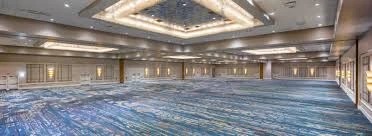
Core Planning Priorities for Summerlin South Exhibitors
The Strategic Position of Summerlin South in the Las Vegas Convention Landscape
Summerlin South functions as a secondary but integral node within the Las Vegas market's expansive service area. Its location in the southwestern sector provides a measured counterpoint to the high-volume activity concentrated in the Convention Center District, Paradise, Winchester, and along the Las Vegas Strip. This positioning supports planning that prioritizes focused preparation environments while maintaining operational reach to the venues responsible for the majority of regional exhibition demand.
The area's master-planned character influences how exhibitors approach audience engagement, logistics sequencing, and post-event follow-up. Rather than competing directly with districts that sit immediately adjacent to major resorts, Summerlin South allows for strategies that leverage its community-oriented infrastructure and proximity to major thoroughfares leading toward central convention facilities. Coordination therefore centers on integrating these attributes into broader campaign architectures without assuming on-site presence.
By referencing the documented primary demand drivers across the market, planning for Summerlin South exhibitors incorporates the full spectrum of venue capabilities. This includes large-scale trade shows at flagship centers as well as targeted events at resort-based facilities, ensuring that exhibit plans remain adaptable to varying scales and attendee profiles encountered throughout the year.
Primary Venues Shaping Exhibition Strategy for Western Las Vegas
The Las Vegas convention market draws its momentum from a core group of high-capacity venues whose schedules dictate participation windows for businesses throughout the valley, including those operating from Summerlin South. The Las Vegas Convention Center stands as a foundational driver, frequently hosting events that require coordinated exhibit solutions capable of scaling to its expansive floor space. Similarly, the Venetian Expo and Mandalay Bay Convention Center contribute specialized environments that reward designs attuned to particular industry verticals.
Additional facilities such as Caesars Forum Conference Center, Fontainebleau Las Vegas, and Westgate Las Vegas Resort & Casino expand the range of options available to exhibitors. These venues, along with properties like Virgin Hotels Las Vegas, Alexis Park All Suite Resort, Green Valley Ranch Resort & Spa, and Hilton Lake Las Vegas Resort & Spa, create a distributed network that planning resources must navigate on behalf of Summerlin South clients. Each location presents distinct operational parameters that influence booth specifications, installation sequencing, and audience interaction models.
Effective coordination treats these venues not as isolated destinations but as interconnected components of a single regional ecosystem. Summerlin South exhibitors benefit from frameworks that sequence preparations according to the overlapping calendars of these facilities, allowing for efficient resource deployment across multiple shows while respecting the unique attributes of the western valley base.
This approach avoids cookie-cutter approaches and instead derives specific recommendations from the documented strengths of each venue within the Las Vegas market structure.
District-Level Differentiation Across Las Vegas Service Areas
Summerlin South maintains clear differentiation from both its immediate neighbors and more distant districts within the Las Vegas footprint. Compared to Summerlin proper or Summerlin West, it features a slightly more established residential-commercial balance that can shape the tone of pre-event planning sessions and client hospitality activities. In contrast to Enterprise or Spring Valley, Summerlin South offers distinct access patterns to the western corridor that influence transportation and timing calculations for moves toward the Strip or Convention Center District.
Further east, areas such as Paradise, Winchester, and the Convention Center District operate under different density and visitor-flow dynamics that require alternate exhibit strategies. The Arts District and Downtown Las Vegas present creative and urban contexts that contrast sharply with the planned suburban professionalism characteristic of Summerlin South. Even within western Las Vegas, nuanced distinctions between Summerlin South, the Southwest Las Vegas zone, and areas west of the Strip guide how exhibitors calibrate messaging and design elements.
Planning therefore incorporates these micro-differences to ensure that booth concepts, staffing models, and follow-up protocols remain contextually appropriate. This level of specificity prevents One Size Fits All approaches and instead produces coordinated campaigns that respect the operational realities of each district while capitalizing on the unified strength of the overall Las Vegas market.
Such differentiation extends to understanding how Summerlin South relates to satellite communities in Henderson, North Las Vegas, and beyond, creating a comprehensive geographic awareness that strengthens every element of exhibit coordination.
Coordination Frameworks for Multi-Venue Campaigns
Successful participation from a Summerlin South base requires integrated frameworks that span the full spectrum of Las Vegas venues. These frameworks address everything from initial concept development through post-show analytics, with particular attention to the sequencing demands created by overlapping event calendars at the listed convention centers and resorts.
Emphasis falls on creating adaptable timelines that accommodate the unique load-in and load-out requirements of each facility while minimizing unnecessary movement between the western valley and central event zones. Planning resources help define clear milestones that align design finalization, material preparation, and on-site readiness with the documented schedules of primary demand drivers.
Multi-venue campaigns benefit from unified branding platforms that maintain consistency across disparate locations ranging from the Las Vegas Convention Center to more intimate resort settings like Alexis Park or Hilton Lake Las Vegas. This consistency, paired with venue-specific adjustments, allows exhibitors to project authority regardless of the particular district or facility involved.
Operational detail at the district level ensures that coordination accounts for variables such as traffic patterns between Summerlin South and different venue clusters, producing more resilient plans capable of adjusting to real-time market conditions.
Timeline Management and Seasonal Demand Considerations
The Las Vegas convention calendar features pronounced seasonal peaks that directly impact planning for Summerlin South exhibitors. Coordination must account for concentrated activity windows at the major venues while building in adequate preparation buffers that respect the distinct pace of western valley operations compared to more central districts.
By treating the full roster of venues as an interconnected system, planners can stagger activities to avoid resource conflicts and ensure that exhibit elements receive appropriate attention whether destined for the Venetian Expo, Mandalay Bay, Caesars Forum, or any of the supporting resort properties. This systems-level view prevents last-minute adjustments that could compromise quality or increase costs.
Longer-range timeline management also incorporates emerging patterns across the market, allowing Summerlin South businesses to position themselves advantageously for both established annual events and newer opportunities appearing at facilities like Fontainebleau Las Vegas or Westgate Las Vegas. The result is a measured, authoritative approach that prioritizes strategic foresight over reactive decision-making.
Such planning reinforces the value of Summerlin South as a stable base from which to engage the broader Las Vegas ecosystem with confidence and precision.
Optimizing Return on Investment Through Targeted Planning
ROI optimization for Summerlin South exhibitors begins with precise alignment between exhibit objectives and the specific audience profiles associated with each primary venue. Whether targeting events at the Las Vegas Convention Center or more focused gatherings at Green Valley Ranch or Virgin Hotels, planning frameworks ensure that every design decision and coordination step advances clearly defined performance metrics.
District-level awareness allows for more accurate forecasting of engagement potential by recognizing how Summerlin South's professional environment influences both outbound exhibit effectiveness and inbound lead quality. This awareness informs choices around technology integration, interactive elements, and follow-up protocols that resonate with the market's sophisticated attendee base.
Budget efficiency emerges from the ability to concentrate resources on high-impact venues while using Summerlin South's operational advantages to reduce ancillary costs associated with central district activities. The resulting plans deliver measurable value by connecting local business strengths with the expansive reach of the Las Vegas convention market.
Continuous refinement of these approaches, grounded in the documented drivers of regional demand, positions Summerlin South participants for sustained success across multiple event cycles.
Sustainability and Future-Focused Exhibit Coordination
Contemporary planning for Summerlin South exhibitors incorporates sustainability as a core operational consideration across all Las Vegas venues. Coordination frameworks address material selection, reuse potential, and waste reduction in ways that align with the evolving standards observed throughout the convention corridor and at individual properties from the Mandalay Bay Convention Center to Hilton Lake Las Vegas.
This forward-looking perspective prepares exhibitors for shifts in attendee expectations and venue requirements while maintaining the nuanced differentiation that makes Summerlin South strategies distinctive. By embedding these considerations early in the planning process, campaigns achieve both environmental responsibility and competitive advantage within the market.
As the Las Vegas ecosystem continues to expand, the ability to coordinate exhibits that reflect these values becomes increasingly central to long-term success for businesses based in secondary districts like Summerlin South. Authoritative resources ensure that such elements integrate smoothly with all other aspects of campaign architecture.
Frequently Asked Questions on Summerlin South Trade Show Planning
Q: What makes Summerlin South distinct for Las Vegas trade show coordination?
Summerlin South provides a professional, master-planned environment that contrasts with the density of the Strip and Convention Center District. Planning emphasizes its connectivity to major venues while respecting its unique position within the western Las Vegas service area.
Q: Which venues primarily drive convention demand for Summerlin South exhibitors?
Key demand drivers include the Las Vegas Convention Center, the Venetian Expo, Mandalay Bay Convention Center, Caesars Forum, Fontainebleau Las Vegas, Westgate Las Vegas, and supporting properties such as Virgin Hotels, Green Valley Ranch, and Hilton Lake Las Vegas.
Q: How does planning differ between Summerlin South and adjacent districts?
Coordination accounts for demographic, traffic, and operational distinctions between Summerlin South, Summerlin, Enterprise, Spring Valley, the Arts District, and central Strip areas to produce contextually appropriate exhibit strategies.
Q: What role does timeline management play for Summerlin South campaigns?
Structured timelines align preparation, execution, and follow-up with the overlapping schedules of primary venues, ensuring efficient resource use from a western valley base.
Q: How can exhibitors optimize ROI from a Summerlin South location?
Targeted planning connects district strengths with specific venue opportunities, focusing resources on high-impact activities while leveraging operational efficiencies inherent to secondary market positioning.
Q: Why incorporate sustainability into Las Vegas exhibit coordination?
Sustainability aligns with evolving venue standards and attendee expectations across the entire convention ecosystem, enhancing both environmental performance and market positioning for Summerlin South participants.